
The inside of a neglected water heater tells the whole story. On the bottom there is a bed of mineral sediment, sometimes several inches deep, that makes the burner work harder, creates popping and rumbling, and can burn out the lower element on an electric unit. Hanging from the top is the anode rod, built to corrode in place of the tank, which may be down to bare wire after a few years. When it is used up, corrosion goes after the tank lining, and a leak is only a matter of time. Across Cranston, RI, a yearly visit is the simplest way to keep both of those problems from shortening the life of the heater.
Each visit follows the same thorough checklist. The tank is drained and flushed to clear the sediment layer. The anode rod comes out for inspection and is replaced when little of it remains. The T&P relief valve is tested so we know it will open under pressure and close again cleanly. Gas heaters get a look at the burner, pilot assembly, thermocouple or flame sensor, flue, and draft. Electric heaters get element and thermostat testing and a check of the wiring connections. We also measure the air charge in the expansion tank, check the water pressure, set the thermostat to a scald-safe level unless a mixing valve allows higher storage, and inspect the drain valve, connections, and pan.
We maintain tankless units as well. In place of a sediment flush, they need periodic descaling, since hard water leaves mineral deposits in the heat exchanger that restrict flow and reduce efficiency. We isolate the unit, circulate a descaling solution through it, clean the inlet filter, check the vent and condensate line, and review stored error codes for patterns. Whatever type you have, you receive a plain summary of the unit's condition and any parts approaching the end of their life. To schedule a visit in Cranston, call (401) 210-2991.
What homeowners call us about most is Water Heater Repair in Cranston and Water Heater Replacement in Cranston. Start there if you're not sure what you need.
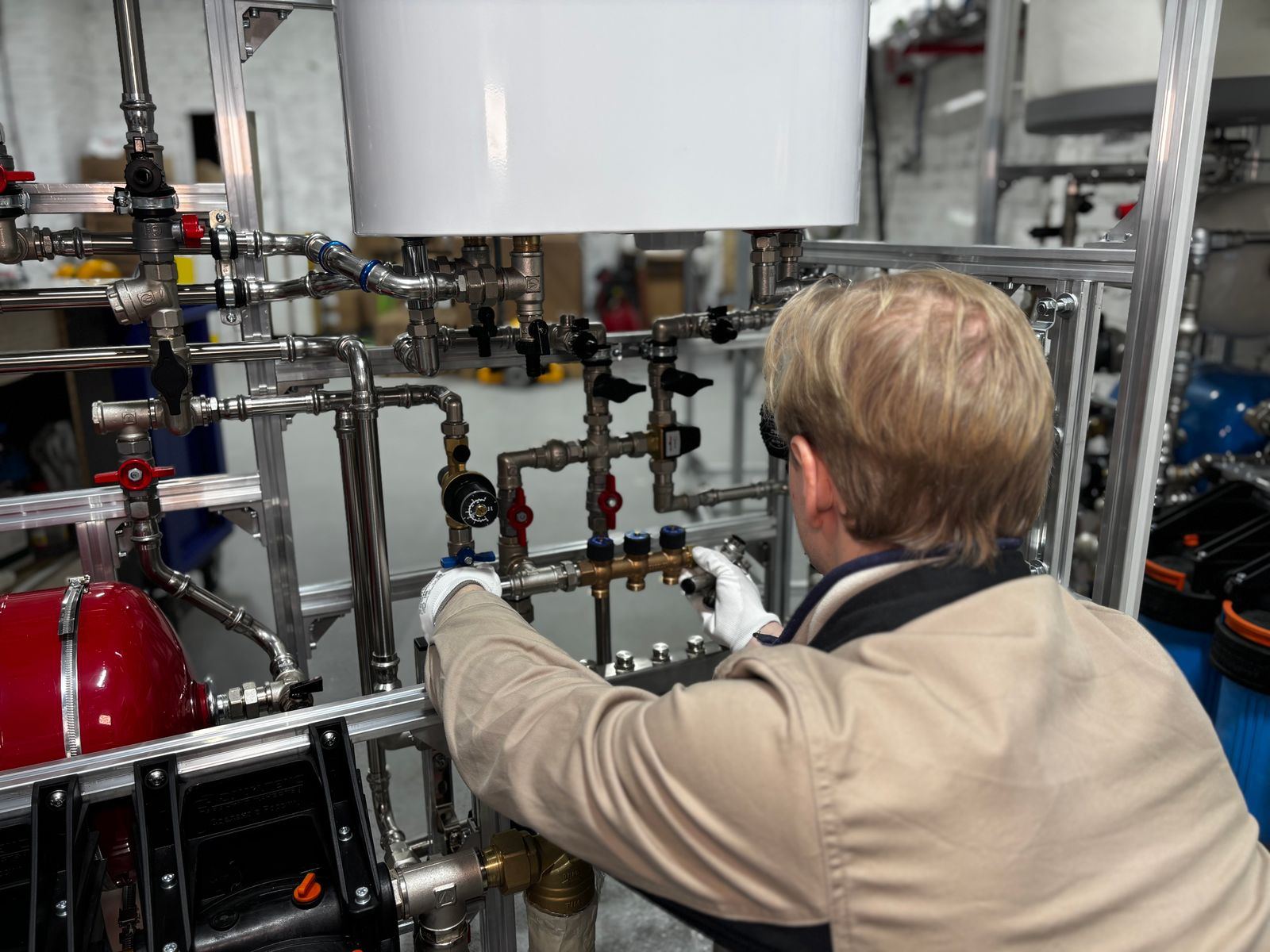
When to Call for Water Heater Maintenance
Water heaters usually give plenty of warning before they fail, as long as you know what to look and listen for. Keep an eye out for the following:
- Brown or orange tint in the hot water only
- Temperature swings or reduced flow from a tankless heater
- Hot water with a sulfur odor
- Small drips at the drain valve or connections
- A water heater that has never been flushed or inspected
- Rumbling, popping, or crackling from the tank as it heats
- Less hot water available than when the tank was new
- Rising utility bills that point to lost efficiency
Don't Wait for a Total Failure
Tanks rarely fail all at once. They corrode from the inside for months, and the warning signs show up long before the floor gets wet. If you notice any of these signs, contact Cranston Water Heater at (401) 210-2991 for a prompt inspection.
No Hot Water? We Can Help.
Call Cranston Water Heater for fast, reliable service.
Tap to Call (401) 210-2991What Homeowners Ask Us Most
The Benefits of Professional Water Heater Maintenance
The homeowner's side of maintenance is short: keep the area clear, watch for drips, and pay attention to new sounds. The rest is harder than online videos make it seem. Flushing involves scalding water and an old plastic drain valve that may crack or refuse to seal. Anode rods are often seized in place and need significant force, sometimes with a flexible rod for low-clearance spaces. An older T&P valve may not reseat once tested, which leaves you with a drip and a replacement to arrange. And on gas heaters, the burner and vent affect how combustion gases leave the house, which is not a place to guess.
We come prepared for what an older heater throws at us: replacement drain valves, anode rods sized for your tank, flexible anodes for tight clearances, T&P valves, and meters for testing elements and thermostats. For tankless systems, we bring the pump and descaling setup. Just as important, we know what to look for, from early corrosion at the fittings to a thermocouple starting to weaken, so you can fix small things before it becomes a failure. What you get is simple: a heater that lasts longer, runs more efficiently, and does not surprise you with a leak.
What to Expect From Our Team
Good water heater work comes down to a consistent routine, and ours starts with a real diagnosis instead of a guess. Here's a look at each step our team takes:
Safety Check First
First, we look over the tank, fittings, and pan, test the relief valve, and confirm the flue drafts properly or the elements test within range.
Drain and Flush
For tankless units, this step becomes descaling: a solution is circulated through the heat exchanger to dissolve scale.
Anode Rod Review
The anode rod comes out for inspection, and the expansion tank is tested so pressure stays under control.
Final Adjustments
We set the thermostat near 120 degrees for safety and efficiency, refill and test the unit, and give you a clear report of what we found.
Questions About Water Heater Maintenance?
We give honest advice and upfront pricing on every job, big or small.
Get Help: (401) 210-2991Simple Ways to Extend Your Water Heater's Life
A little routine care goes a long way toward keeping a water heater running well past its expected lifespan. Put these technician-approved steps to work at home:
- Glance at the pan and connections regularly so small leaks are caught early
- Ask about the anode rod at each visit; it is the tank's main defense against rust
- Treat hard water to cut down on sediment and scale
- Set the water temperature around 120 degrees for safety and efficiency
- Plan yearly descaling for a tankless heater, sooner if scale warnings appear
- Keep at least a couple of feet clear around the heater for air and service access
- Make an annual flush part of your home maintenance routine
DIY vs. Professional Water Heater Maintenance
The line between a safe DIY check and a risky repair is usually the moment you need to open a gas fitting, a vent connection, or an electrical cover. Consider the following comparison:
| Consideration | Doing It Yourself | Professional Service |
|---|---|---|
| Sediment Removal | Sediment clogs the valve midway | Full flush with replacement valve on hand |
| Corrosion Protection | Seized fitting and limited clearance | Pulled, inspected, and replaced when consumed |
| Relief Valve | No replacement on hand | Tested and replaced if it will not reseat |
| Burner and Venting | Carbon monoxide risk if venting is off | Burner, pilot, and draft checked |
| Tankless Descaling | Missing pump or isolation valves | Error history reviewed |
| Expansion Tank | Air charge never checked | Precharge measured and adjusted |
Let's Get Your Hot Water Back
Every day a leak or a failing part goes unchecked puts more stress on the tank. Get Cranston Water Heater on the job today.
Get Help: (401) 210-2991Water Heater Maintenance Near Cranston
We bring water heater maintenance to homes and businesses in town and across the nearby communities. Pick your area to see local details.