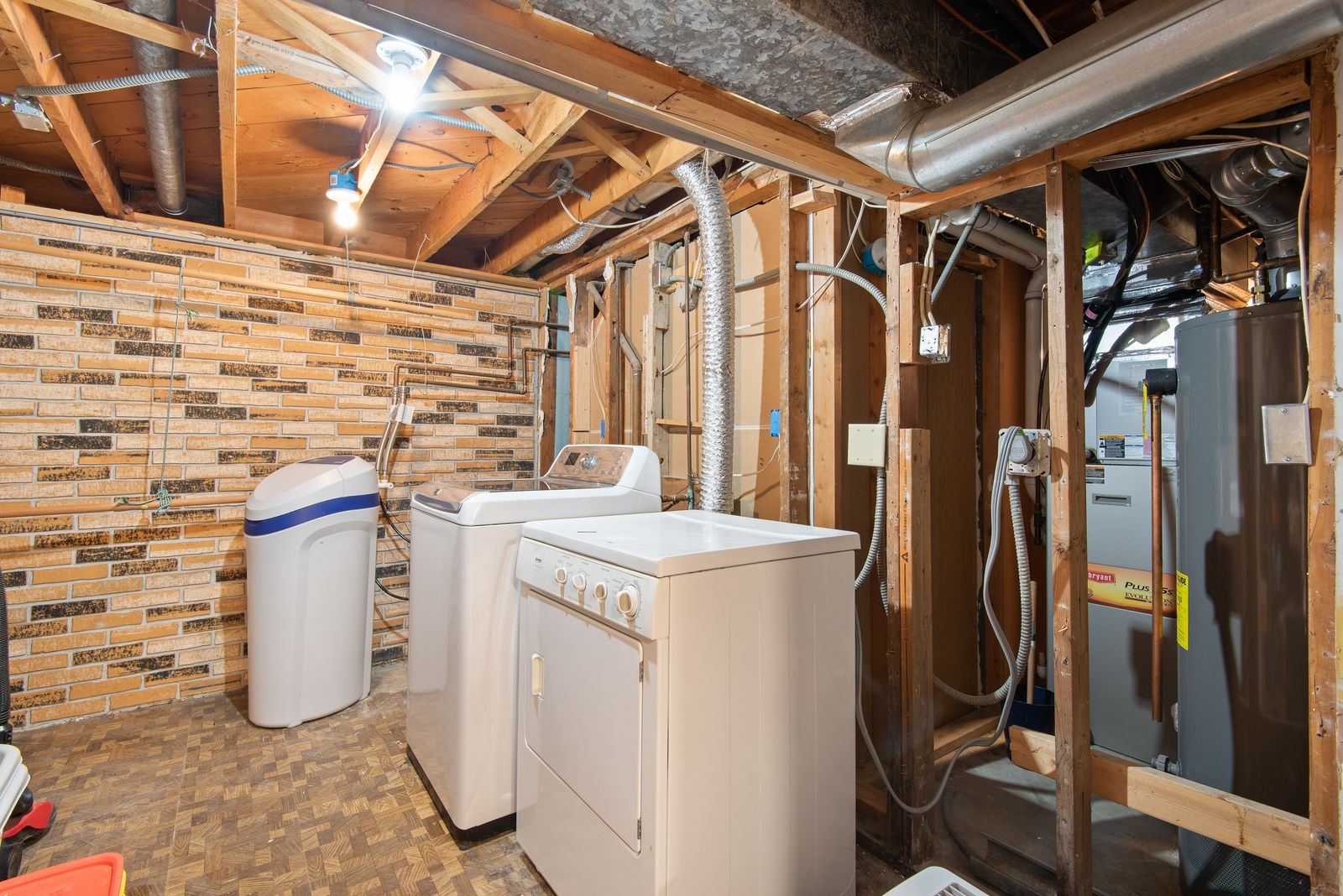
A gas water heater is a fairly simple machine, which is part of why it lasts. A burner under the tank heats the water, exhaust rises through a flue that runs up the center of the tank, and a gas control valve on the front acts as both thermostat and safety shutoff. That valve only lets gas reach the burner while it senses a flame, through a thermocouple on standing-pilot models or a flame sensor on electronic ignition models. When something goes wrong, it is usually at one of those points. In Cranston, RI, we regularly find thermocouples that no longer hold the valve open, pilots starved by a lint-clogged flame arrestor screen, gas valves that have failed internally, and flue or vent problems that let exhaust spill back into the room.
Every gas water heater call starts with safety and then moves to testing. If you ever smell gas, leave the home first, call the gas utility from outside, and do not operate switches or try to relight anything. Once the area is safe, our Cranston technicians work through the heater systematically: millivolt readings on the thermocouple, a close look at the pilot and main burner flames, gas pressure at the control valve, a draft test to make sure exhaust is not spilling back, and a CO check around the appliance. Scorch marks at the burner access, rust flakes on the burner, and a lazy yellow flame each point to a different problem, and we chase down the right one.
Most gas water heater repairs are finished in a single visit. We replace thermocouples, flame sensors, pilot assemblies, and igniters, clean burners and flame arrestor screens, swap failed gas control valves, and correct vent connectors that have separated or lost their slope. We also flush sediment, the cause of that popping or rumbling sound and a major reason tanks overheat at the bottom and fail early. When the tank itself is leaking or the heater is deep into its service life, we tell you honestly and walk you through replacement. New installations are sized by first-hour rating, not just gallons, and include the right venting, a sediment trap on the gas line, an expansion tank where needed, and seismic straps and a drain pan where code requires them. Call (401) 210-2991 and we will have a technician on the way.
Our two most requested services are Water Heater Repair in Cranston and Water Heater Installation in Cranston. That's the place to start for most homes.
Symptoms That Mean It's Time to Call
Recognizing the warning signs early can save you money and keep a slow drip from turning into a flooded utility room. Watch for these telltale signs that professional help is needed:
- Leaks at the drain valve, the fittings, or the bottom of the tank
- No hot water at all, with the burner never firing
- Hot water that runs out faster than it used to
- Pilot outages that keep coming back after a relight
- A flame that looks orange or floppy rather than steady and blue
- Exhaust odor, rust, or moisture around the draft hood and vent pipe
- A faint gas or rotten-egg smell near the heater (leave and call the gas utility)
- Popping, rumbling, or crackling sounds as the burner heats
Don't Wait for a Total Failure
A worn-out anode rod, a sediment-choked tank, or a weak thermocouple rarely fixes itself, and the repair usually costs more the longer it waits. A quick call to (401) 210-2991 gets a technician out to check it before it becomes an emergency.
Talk to Us About Gas Water Heater Services
We'll diagnose the problem and give you a straight answer on the fix.
Call (401) 210-2991 NowGas Water Heater Services FAQ
Why Hire a Professional for Gas Water Heater Services?
Consider the risks first. Every gas water heater involves fuel piping, an open flame, and exhaust that contains carbon monoxide. A loose flare or threaded joint can leak gas, a vent that is disconnected or poorly sloped can spill exhaust back into the room, and a gas valve installed without a leak test is a risk you cannot see. Then there is the diagnostic side: a pilot that goes out can mean a weak thermocouple, a dirty pilot orifice, a clogged flame arrestor, a draft problem, or a failing gas valve, and working through them by guesswork is slow and costly.
What a trained technician brings is certainty. We test instead of guessing, from thermocouple millivolt readings and burner flame checks to gas pressure at the valve and a draft test at the hood. We leak-test every connection, confirm the vent is carrying exhaust out of the house, and check CO before we leave. And because some gas heaters are not worth another repair, we give you a straight answer on repair versus replacement first, then handle either one with correct venting, gas piping, and the code items your installation requires.
What to Expect From Our Team
Our workflow is simple and thorough, so nothing gets missed between the fuel supply and the relief line. Here's how we handle gas water heater services from start to finish:
Safety Check & Diagnosis
Before anything is replaced, we confirm the heater is safe to work on and test each part of the ignition, gas, and venting systems to pinpoint the failure.
Honest Findings & Firm Quote
No guesswork on the bill. We explain the fault and the fix, quote it up front, and give you an honest repair-versus-replace answer on older heaters.
Repair or Installation
Thermocouples, flame sensors, pilot assemblies, and gas valves are usually replaced on the spot. For replacements, we install a correctly sized heater with proper venting and code items.
Full Safety Test
A gas appliance is not finished until it is proven safe. We leak-test the connections, verify draft and flame, check for carbon monoxide, and set the temperature to about 120 degrees.
Want a Professional Opinion?
Call Cranston Water Heater to talk through your situation with an experienced technician.
Get Help: (401) 210-2991Simple Ways to Extend Your Water Heater's Life
Most of the failures we see could have been delayed for years with basic upkeep. Here's where to begin:
- Keep the area around the heater clear, especially of gasoline, paint, and solvents
- Drain sediment from the bottom of the tank once or twice a year
- Keep the air intake at the bottom of the heater free of lint and dust
- Set the gas valve near 120 degrees, because hotter water costs more and can scald
- Keep working CO alarms near bedrooms and on each floor
- Check that the vent connector is secure and rising toward the chimney or flue
- Replace a spent anode rod before the tank itself starts to rust
Comparing DIY and Professional Work
Online videos may help in a pinch, yet lasting repairs and code-compliant installs depend on correct venting, proper relief valve discharge piping, and a trained technician. Here's how the two approaches stack up:
| Factor | Doing It Yourself | Professional Service |
|---|---|---|
| Finding the Fault | Replace the thermocouple and hope | Millivolt, pressure, and draft tests find the cause |
| Gas Leaks | No leak detection after the work | Connections checked with leak solution or a detector |
| Venting & CO | Carbon monoxide risk unchecked | Vent secured with proper slope and clearance |
| Permits & Code | Local code items easy to miss | Permit handled where required |
| Sediment & Tank Care | Tank condition never evaluated | Tank and anode inspected during service |
| Result | Temporary fix at best | Lasting repair, confirmed by testing |
Talk to Our Gas Water Heater Services Team
Get your hot water back before a small fault turns into a flooded floor. Cranston Water Heater is ready to respond fast.
Tap to Call (401) 210-2991Areas We Serve for Gas Water Heater Services
Wherever you are in the area, the same experienced team shows up with the same parts and the same pricing. Find your community below.